
Flexible Pipe Market and Analysis Report – Opportunities and Forecast 2025-2032
Flexible Pipe Market Overview
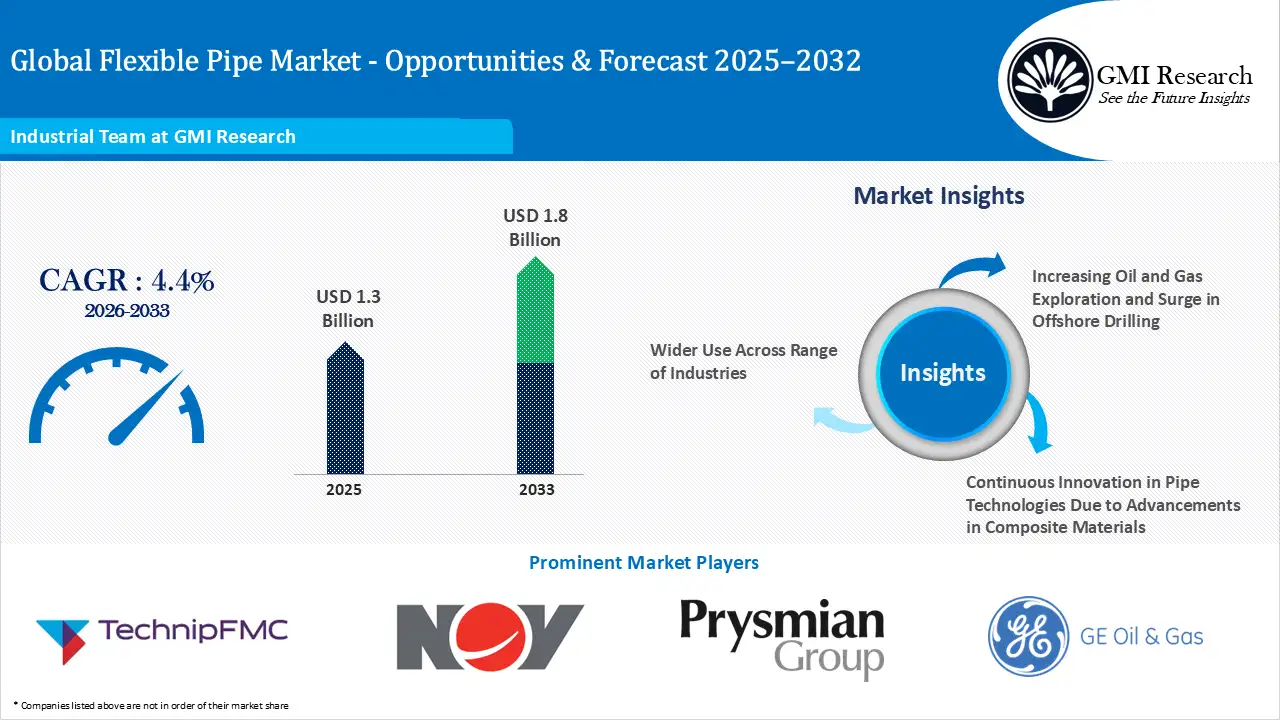
Flexible Pipe Market size reached USD 1.3 billion in 2025 and is estimated to reach USD 1.8 billion in 2033 and the market is estimated to grow at a CAGR of 4.4% from 2026-2033 driven by increasing oil and gas exploration and surge in offshore drilling, continuous innovation in pipe technologies due to advancements in composite materials, the advantages of flexible pipes over rigid alternatives, wider use across range of industries.
Market Size & Forecast:
-
- 2025 – USD 1.3 Billion
- 2033 – USD 1.8 Billion
- Market Forecast – CAGR of 4.4% from 2026-2033
Key Segment Insights:
-
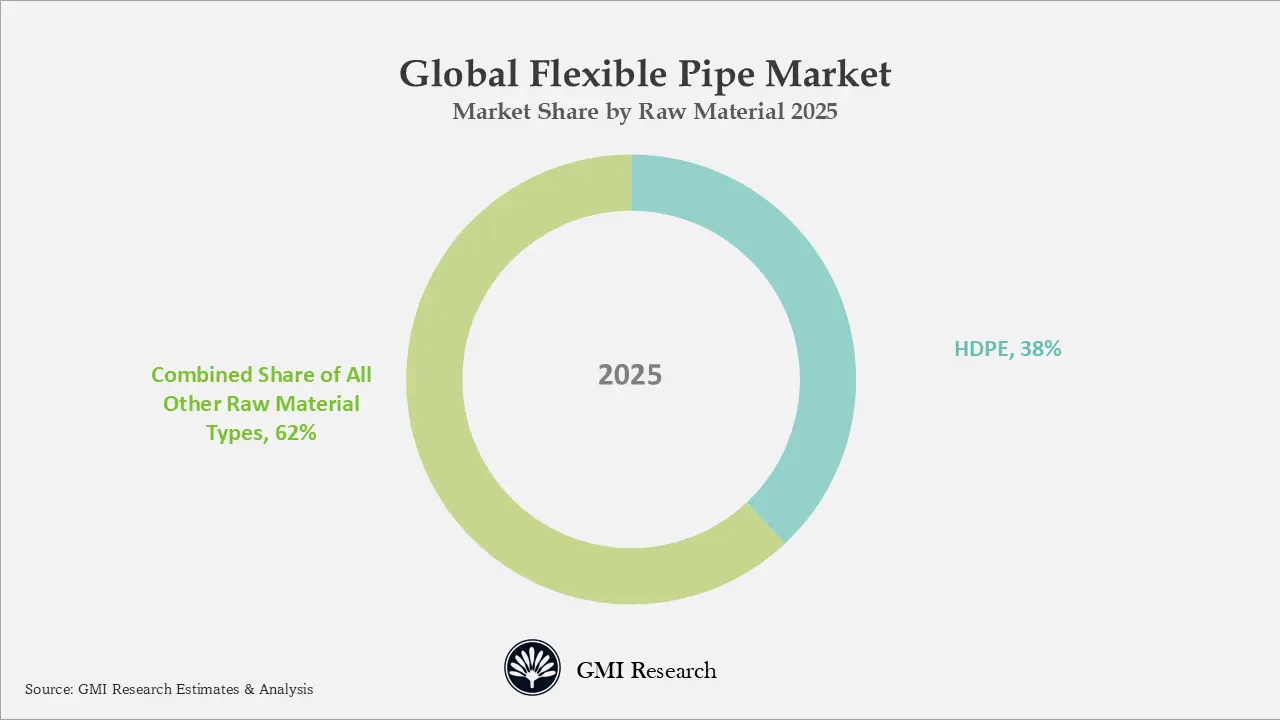
- Raw Material Type Insights: HDPE emerged as the leading raw material, holding roughly 38% of the market. The market size of HDPE flexible market size was valued at USD 494 million in 2025.
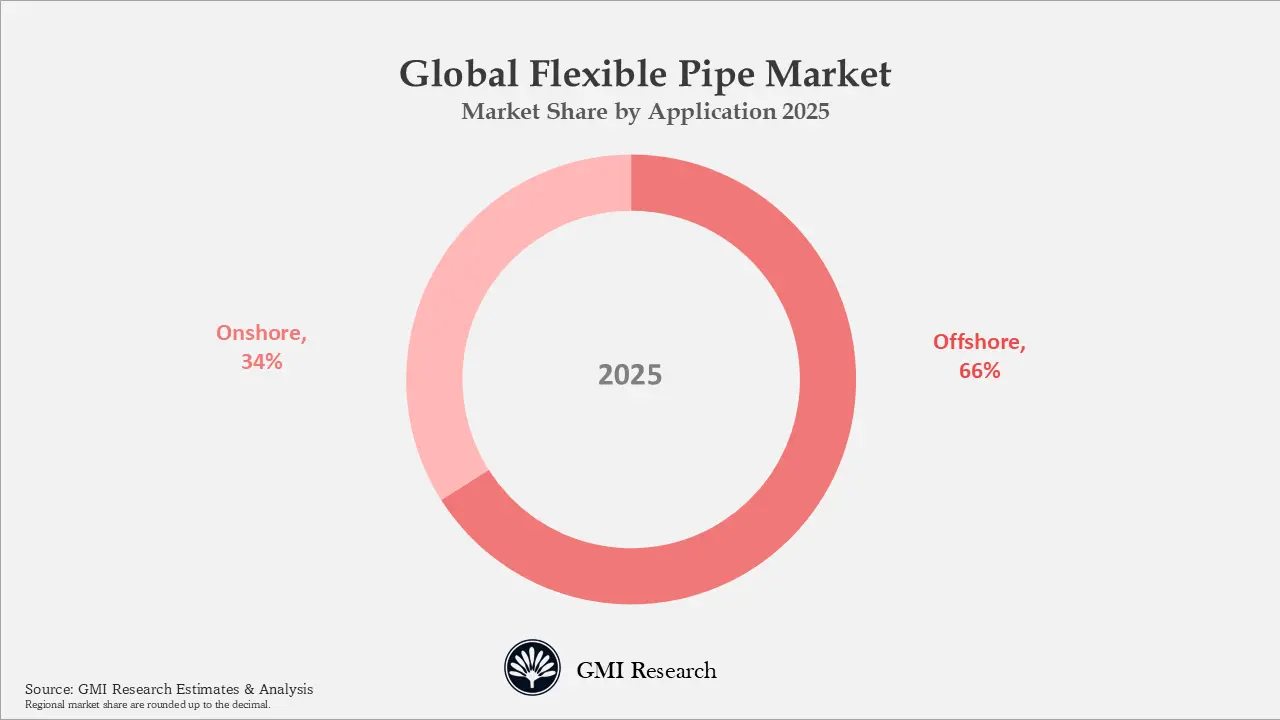
- Application Market Insights: Offshore applications remained the primary revenue contributor, with a 66% share in 2025. The offshore flexible pipe market was valued at USD 858 billion in 2025.
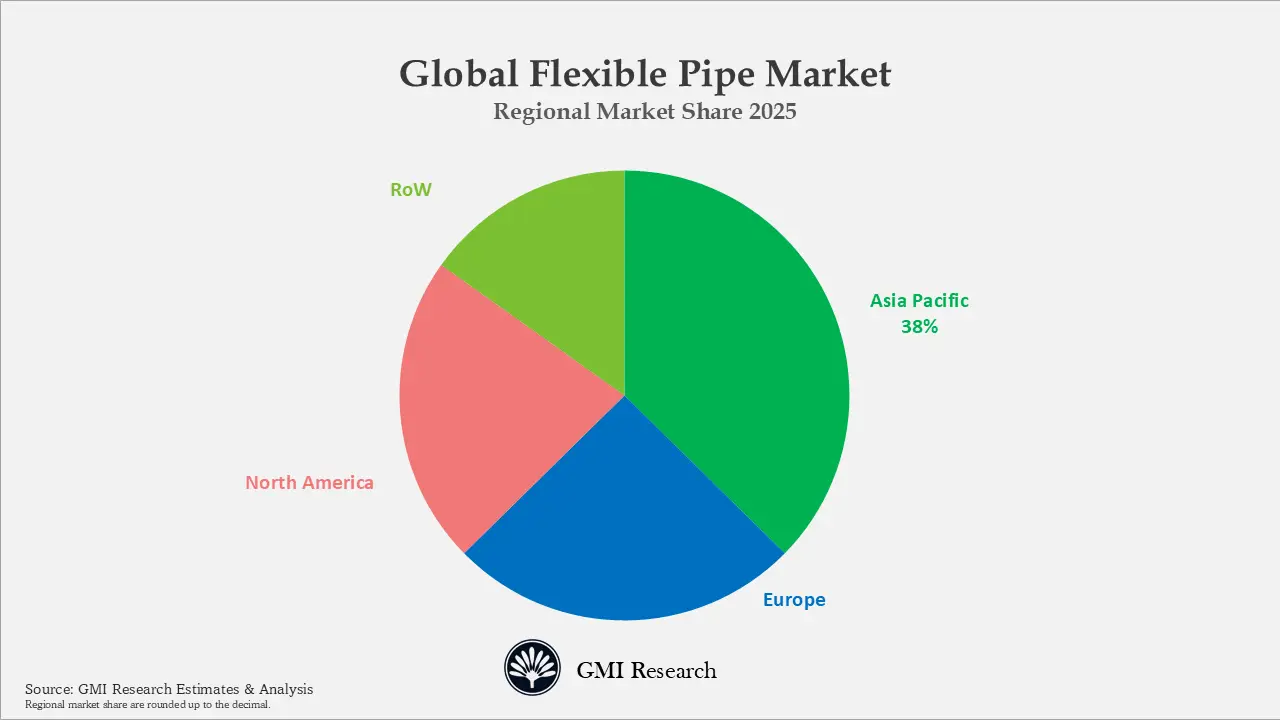
- Regional Market Insights: Asia Pacific lead the flexible pipe market share by region, accounting for approximately 37% of the market. Asia Pacific flexible pipe market size was estimated at USD 481 million in 2025
Flexible pipes are extensively utilized for fluid transportation notably in subsea oil transfer and construction activities among others. Their use is expanding across industries owing to advantages like strong pressure handling and resistance to leaks along with affordability. Given their economic and performance advantages, flexible pipes are projected to increasingly substitute steel components in upcoming exploration projects.
Flexible Pipe Market Growth Drivers
Increasing Oil and Gas Exploration and Surge in Offshore Drilling
Flexible pipe market is experiencing growth mainly fueled by the surging oil and gas exploration activities. Flexible pipes are favored within this sector for their resilient in challenging conditions which includes extreme pressure and heat unlike rigid pipes. These pipes offer convenient installation and servicing which enhances their appeal for onshore or offshore operations. The pipes can be customized to handle different gases and fluids which ensure they align with the specific demands for each application. The surging oil and gas demand coupled with new exploration activities further support the market.
The oil and gas sector relies on these pipes to transport fluids across different sites. These pipes are integral to various operations which includes offshore drilling along with transportation operations among others. Flexible pipes are used in offshore drilling for applications like subsea flowlines along with fluid or gas transportation across pipelines. The increased funding in the sector coupled with pipe design innovations is expected to drive considerable market growth.
Increasing focus on environmental sustainability has further made flexible pipes even more crucial. Flexible pipes offer a reduced environmental impact throughout operation and installation especially compared to rigid pipelines. With increasing environmental scrutiny and stricter regulatory demands, the oil and gas sector are pursuing greener alternatives which makes flexible pipes a suitable choice.
Continuous Innovation in Pipe Technologies Due to Advancements in Composite Materials
Innovations in technology have also transformed the functionality and resilience of flexible pipes. Innovative production processes have made these pipes more dependable. The pipes are designed to provide exceptional corrosion resistance which makes them ideal for subsea operations. Another major advantage is their affordability along with their flexibility which facilitates easier installation that helps lower costs. This economic advantage is especially critical in a market that places high importance on operational efficiency along with strong financial returns.
Wider Use Across Range of Industries
The growing focus on offshore renewable projects like wind farms is also likely to drive flexible pipe market growth across the globe. The trend marks a changing demand pattern for flexible pipes which broadens their use beyond conventional oil and gas industries. Transmitting electricity from offshore wind turbines to land based grids needs a complex underwater power cable network. Flexible pipes are important for safeguarding these cables which offer protection against environmental damage.
Flexible pipes are also widely used in various sectors driven by their adaptable design and operational efficiency. Their distinctive characteristics allow them to function well in conditions where rigid piping would fail. Whether for household plumbing or complex industrial systems, they ensure reliable performance across multiple applications. These pipes simplify residential pumbling by easily fitting into narrow spaces and intricate designs. These pipes offer homeowners faster setups and better system efficiency while handling everything from water supply to drainage.
The construction sector also gains benefits from their versatility because these pipes streamline installation processes in new buildings or large infrastructure projects. Flexible piping also contributes to more efficient and adaptable HVAC systems. These pipes make installation easier and ensure optimal airflow across residential and industrial settings.
These pipes also help farmers achieve more efficient irrigation while cutting down on water waste. They conform to irregular terrain and span large fields with ease which ensures water is distributed exactly where it is required. Moreover flexible pipes serve numerous industrial sectors which offer reliable transport solutions for fluids and gases. Their resilience to tough conditions makes them vital in manufacturing and processing operations.
Challenges Faced by Flexible Pipe Market Companies
However raw material price instability significantly impacts the flexible pipes market which influences production costs and profit margins. These pipes are made from various materials like polymers and composites among others which makes them vulnerable to price fluctuations in these components. Regulatory compliance presents a major hurdle for the market worldwide with potential constraints which could affect its growth and functionality. Even though regulations are designed to guarantee product quality and safety but they can also create heavy burdens for users and manufacturers.
Furthermore flexible pipes are essential in deepwater projects which typically demand in depth environmental evaluations. These reviews may lead to slower project approvals along with more stringent oversight of materials and manufacturing procedures. With increasing environmental concerns many government authorities implement tougher regulations regarding the materials and waste management connected to flexible pipes. To meet these demands manufacturers must consistently adapt which potentially leads to expensive changes in their practices.
Flexible Pipe Market Segment Analysis
Raw Material Type Market Insights: High Density Polyethylene segment dominate the market with 38% market share
HDPE accounted of the largest market share of 38% in 2025, the segment dominance is largely owing to its exceptional performance within the oil and gas sector where its corrosion and chemical resistance along with flexibility are crucial. HDPE pipes have a lightweight nature that simplifies handling and installation which helps lower costs. The growing financial commitments to the offshore exploration sector especially in subsea projects have fueled the need for HDPE pipes. HDPE is a widely used thermoplastic in the petroleum industry suitable for various applications. It is an affordable and non leaching material that resists chemical solvents. With no corrosion or rust it provides a longer service life with long term cost savings. Flexible pipes are ideal for carrying liquids like crude oil and are built to withstand extreme temperature and pressure.
The PDVF segment is estimated to register the fastest growth largely because this material boasts remarkable resilience in extreme conditions like high temperatures. Its distinct characteristics make it perfectly suitable for specific uses in industries like nuclear energy where safety and reliability are critical. The rising industrial preference for durable materials is expected to boost PVDF demand which influences market trends and encourages advancements in pipe production methods.
Application Market Insights: Offshore segment generates the highest revenue with a market share of 66% in 2025
The flexible pipe in offshore oil and gas segment leads the market with the largest share of 66% supported by its versatility and increasing utilization in deepwater or subsea applications. Flexible piping systems are usually employed in offshore installations to join subsea power cables to substations. By connecting wind turbines to substations these pipes help guarantee stable power transmission. Flexible pipes are essential in offshore sustainable energy setups where they support complicated seabed infrastructure. By providing reliable connections these pipes ensure the safe and effective operation within subsea systems like pumps and valves.
The onshore sector is also witnessing growth because these pipes offer flexibility which enables easy installation and upkeep in challenging landscapes which makes them ideal for onshore projects. With traditional onshore reserves becoming scarcer there is a growing emphasis on improving extraction methods and using specialized materials within the flexible pipes.
Regional Market Insights: Asia pacific accounted for 38% of the market share
The Asia Pacific flexible pipe market held 38% market share of the global market in 2025 market is also growing particularly in China where growing energy needs and large scale investments in oil and gas exploration are major driving factors. China with its large population and economic prominence has seen a surging demand for flexible pipes driven by its increasing need for energy resources especially from deep sea exploration. For fluid transportation in demanding offshore settings, these pipes are critical especially where rigid pipes fail to meet the requirements. The push by the Chinese government to strengthen offshore exploration has driven the trend forward which positions it as a leading player in the market.
North America flexible pipe market is projected to grow at a steady rate during the forecast years with the United States being the biggest market in the region. Emerging shale resources in the US coupled with government initiatives to become the leading oil and natural gas supplier in the coming years are projected to fuel the need for flexible pipes. Technological innovations in horizontal and well pad drilling technologies combined with the rich oil and gas reserves are major market drivers across the region.
Flexible Pipe Market Major Players & Competitive Landscape
Several leading companies are TechnipFMC PLC, National Oilwell Varco, Shawcor, GE Oil & Gas, The Prysmian Group, SoulForce, Airborne Oil & Gas BV, Airborne Oil & Gas BV, ContiTech AG, Flexsteel Pipeline Technologies Inc., Chevron Phillips Chemical Company LLC, Aker Solutions ASA, Subsea 7 S.A., Hunan Great Steel Pipe Co. among others.
Key Flexible Pipe Market Developments
-
- In 2025, Saipem, in partnership with COOEC, secured a $4 billion offshore EPCI contract from QatarEnergy LNG for the COMP5 package of the North Field Production Sustainability project, with Saipem’s share at $3.1 billion. The five-year project covers engineering, fabrication, and installation of two large compression complexes. Offshore installation is planned for 2029–2030, supporting North Field gas production capacity.
- In 2024, Baker Hughes secured major contracts from Petrobras to supply 77 km of flexible pipe systems for Brazil’s pre-salt offshore fields. Signed in October 2024 after an open tender, the multi-year project covers risers, flowlines, and support services for production and injection operations. Deliveries are set to start in mid-2026, with equipment deployed across several key Petrobras fields, including B?zios and Libra.
- In 2023, a substantial contract was granted to TechnipFMC by Petrobras to deliver flexible pipes for Brazilian offshore presalt oil fields. The contract comes after an open tendering procedure which marks a major milestone for TechnipFMC that solidifies its leadership in the regional market.
- In 2021, McDermott International has awarded Shawcor a contract for coating services in support of the Tyra Redevelopment Project offshore located within the North Sea. The coating services provided by Shawcor will protect flexible pipelines along with umbilicals throughout installation and their operational period.
Key Flexible Pipe Market outlook
In light of the Kingdom’s major digital ambitions as part of Vision 2030, IDC expects IT services spending in Saudi Arabia to grow at a compound annual growth rate (CAGR) of over 5% in the coming years. By 2025, the market will be worth $4.8 billion, with the sector set to crack the $5 billion barrier not much later.
Flexible Pipe Market Scope of the Report
|
Report Coverage |
Details |
| Market Size Value in 2025 |
USD 1.3 billion |
| Market Revenue Forecast in 2033 |
USD 1.8 billion |
| CAGR |
4.4% |
| Market Base Year |
2025 |
| Market Forecast Period |
2026-2033 |
| Base Year & Forecast Units |
Revenues (USD Billion) |
| Market Segment | By Raw Material, By Application |
| Regional Coverage | Asia Pacific, Europe, North America, and RoW |
| Companies Profiled | TechnipFMC PLC, National Oilwell Varco, Shawcor, GE Oil & Gas, The Prysmian Group, SoulForce, Airborne Oil & Gas BV, Airborne Oil & Gas BV, ContiTech AG, Flexsteel Pipeline Technologies Inc., Chevron Phillips Chemical Company LLC, Aker Solutions ASA, Subsea 7 S.A., Hunan Great Steel Pipe Co. among others; a total of 13 companies covered. |
| 25% Free Customization Available | We will customize this report up to 25% as a free customization to address our client’s specific requirements |
Flexible Pipe Market Research Report Segmentation
The Global Flexible Pipe Market has been segmented on the basis of Raw Material, Application and Regions. Based on the Raw Material, the market is segmented into High Density Polyethylene, Polyamides, Polyvinylidene Fluoride and Others. Based on the Application, the market is segmented into Onshore and Offshore. The Offshore segment is further segmented into Deepwater, Ultra-deep water and Subsea.
Flexible Pipe Market By Raw Material
-
-
- High Density Polyethylene
- Polyamides
- Polyvinylidene Fluoride
- Others
-
Flexible Pipe Market By Application
-
-
- Onshore
- Offshore
- Deepwater
- Ultra-deep water
- Subsea
-
Global Flexible Pipe Market by Region
-
-
North America Flexible Pipe Market
- US Market
- Canada Market
-
Europe Flexible Pipe Market
- UK Market
- Germany Market
- France Market
- Spain Market
- Rest of Europe Market
-
Asia-Pacific Flexible Pipe Market
- China Market
- India Market
- Japan Market
- Rest of APAC Market
-
RoW Flexible Pipe Market
- Brazil Market
- South Africa Market
- Saudi Arabia Market
- UAE Market
-
Rest of world (remaining countries of the LAMEA region) Market
-
Major Players Operating in the Flexible Pipe Market
-
-
TechnipFMC PLC
-
National Oilwell Varco
-
Shawcor
-
GE Oil & Gas
-
The Prysmian Group
-
SoulForce
-
Airborne Oil & Gas BV
-
ContiTech AG
-
Flexsteel Pipeline Technologies Inc.
-
Chevron Phillips Chemical Company LLC
-
Aker Solutions ASA
-
Subsea 7 S.A.
-
Hunan Great Steel Pipe Co.
-
Frequently Asked Question About This Report
Flexible Pipe Market [GR24AB-01-00483]
Flexible Pipe Market size was estimated at USD 1.3 billion in 2025
Flexible Pipe Market is fuelled by increasing oil and gas exploration and surge in offshore drilling, continuous innovation in pipe technologies due to advancements in composite materials, the advantages of flexible pipes over rigid alternatives, wider use across range of industries.
The flexible pipe industry growth rate is estimated at a CAGR of 4.4% from 2026-2033
Future of flexible pipe market has the potential for growth and the market is forecast to reach USD 1.6 billion in 2030.
Major players operating in flexible pipe market are TechnipFMC PLC, National Oilwell Varco, Shawcor, GE Oil & Gas, The Prysmian Group, SoulForce, Airborne Oil & Gas BV, Airborne Oil & Gas BV, ContiTech AG, Flexsteel Pipeline Technologies Inc., Chevron Phillips Chemical Company LLC, Aker Solutions ASA, Subsea 7 S.A., Hunan Great Steel Pipe Co. among others.
Asia Pacific lead the flexible pipe market share by region, accounting for approximately 38% of the market. Asia Pacific flexible pipe market size was estimated at USD 481 million in 2025.
The offshore flexible pipe market was valued at USD 858 million in 2025.
Offshore applications remained the primary revenue contributor, with a 66% share in 2025 and the offshore flexible pipe market was valued at USD 858 million in 2025.
HDPE emerged as the leading raw material, holding roughly 38% of the market. The market size of HDPE flexible market size was valued at USD 498 million in 2025.
Related Reports
Why GMI Research